Serving Palm City, FL 34990
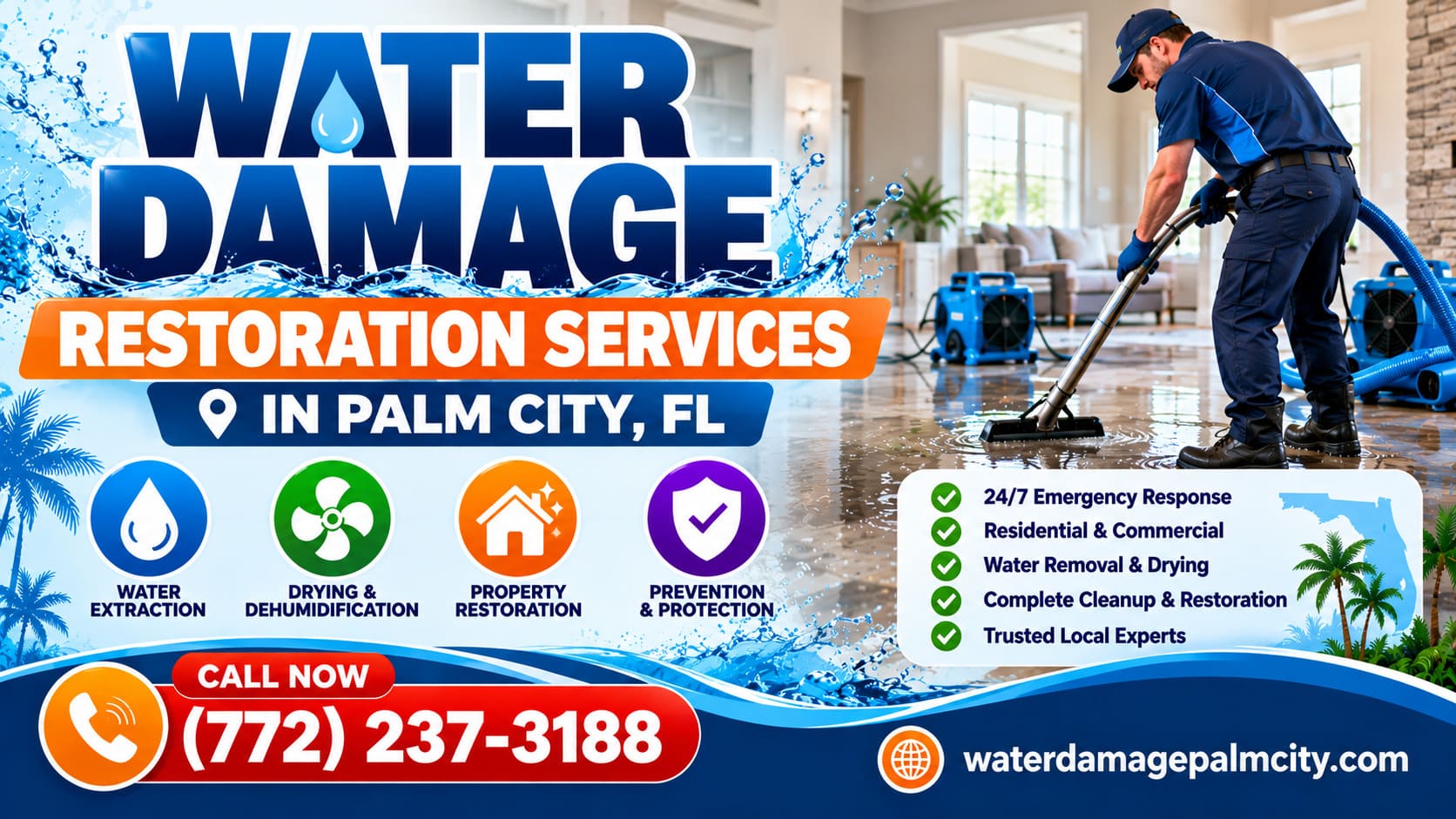
Water damage restoration is more than removing puddles. In Palm City, FL 34990, a complete job usually moves through assessment, extraction, structural drying, material decisions, documentation, and rebuild of finishes. TCWRC stays with you across that path so you are not juggling separate vendors for every stage.
Sudden losses often begin on our emergency water damage page. Storm-driven events may start with flood restoration. If growth appears on damp materials, add mold remediation before closing walls.
Restoration stages we manageLeaving bulk water in place forces dryers to work harder and longer. We extract from floors and, when appropriate, from wet carpet systems before deciding what can remain. Clear water from a supply line is handled differently than contaminated flood water, but both need thorough removal before rebuild talk begins.
Homeowners who act in the first day usually protect more contents. Our guide to the first 24 hours after water damage in Palm City pairs well with a same-day call to (772) 237-3188.
Extraction checklistAir movers and dehumidifiers only work well when sized and placed for the materials that are wet. Palm City’s outdoor humidity means open-window drying is rarely enough for wall cavities and subfloors. We track moisture readings and adjust equipment until wood and other materials meet dry goals.
Incomplete drying is one of the fastest routes to later mold. If odor or staining appears mid-project, we shift into mold remediation before closing finishes. Prevention tips live in preventing mold after a water leak.
Drying goalsNot every wet item is a loss, and not every stained surface can be saved. Drywall that wicked water high on a wall, carpet pad that held flood water, and swollen particle board often leave the home. Tile, some hardwoods, and solid framing may dry when access and time allow.
We walk rooms with you and explain why a recommendation exists. That conversation matters for budgets and for insurance discussions. Storm losses may need extra sanitizing steps covered on our flood restoration page before materials decisions finalize.
Materials we commonly evaluateWhen the structure is dry and unsafe materials are gone, rebuild returns the home to use. That can include new drywall, paint-ready surfaces, flooring, and trim. We outline the sequence so you know what comes next and how long each phase may take for a typical Palm City floor plan.
Documentation runs beside the work: photos, moisture logs, and notes on what was removed. You keep those files for insurers, HOAs, or future buyers. We do not promise claim outcomes, but we make the technical story easy to share. Seasonal storm prep tips are in hurricane season flood prep for Palm City.
Why Palm City homeowners choose local restorationEvery Palm City home is different, but the order stays consistent so nothing is skipped. Call first, stabilize water, extract, dry, decide on materials, document, then rebuild. If you need a non-urgent callback, use contact. For service overviews and articles, visit home and the blog.
Step-by-step processUse these links when your loss starts as an emergency, flood, or mold issue, or when you want homeowner tips before equipment arrives.
Assessment, extraction, structural drying, material decisions, documentation, and rebuild of finishes. Call (772) 237-3188 for a Palm City walkthrough.
Emergency work stops the spread and starts drying. Restoration continues through monitored drying and putting the home back together.
Soaked drywall, carpet pad, swollen particle board, and some insulation often need replacement. Many hard surfaces can dry when salvageable.
It depends on how wet materials are and indoor conditions. We follow moisture readings rather than a fixed calendar guess.
Yes. Photos, readings, and work notes support your claim conversation. Coverage decisions stay with your insurer.
We address mold with proper remediation before finishing rebuild in those zones. See our mold remediation page for details.

 24/7 Emergency: (772) 237-3188
